


What “Managed WordPress Hosting” Actually Means (And Why It Matters)
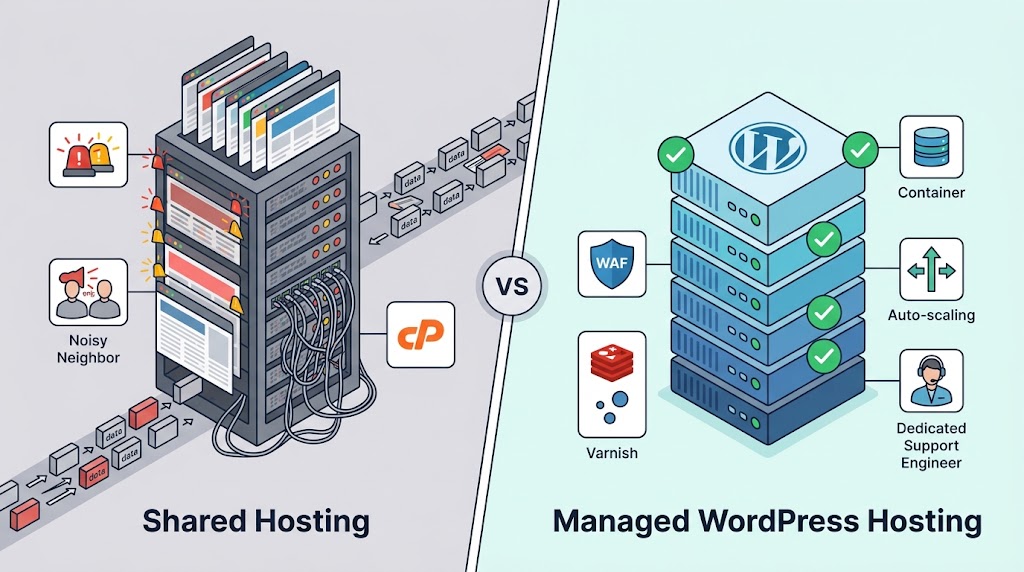
“Managed WordPress Hosting” gets dismissed as marketing fluff—but true managed hosting is something fundamentally different. This post explains what managed hosting actually delivers: DevOps as a service, server-level security, elastic architecture, and engineering-level support. You’ll learn why agencies confuse access with capability, how to calculate the real cost of self-managing servers, and why “just add more RAM” is not a performance strategy. Includes a feature comparison of shared vs. managed hosting.
Securing Your Custom WordPress Code: Best Practices for Developers

Your custom code is what makes your WordPress projects unique—and potentially vulnerable. This post covers the security best practices every WordPress developer must follow: input validation and sanitization, nonce verification, capability checks, SQL injection prevention, XSS protection, and user role management. Includes before/after code examples, a security code review checklist, and a table of common vulnerabilities with their fixes. Essential reading for any developer writing custom WordPress code.
Child Themes vs. Custom Themes: Which Should You Choose?
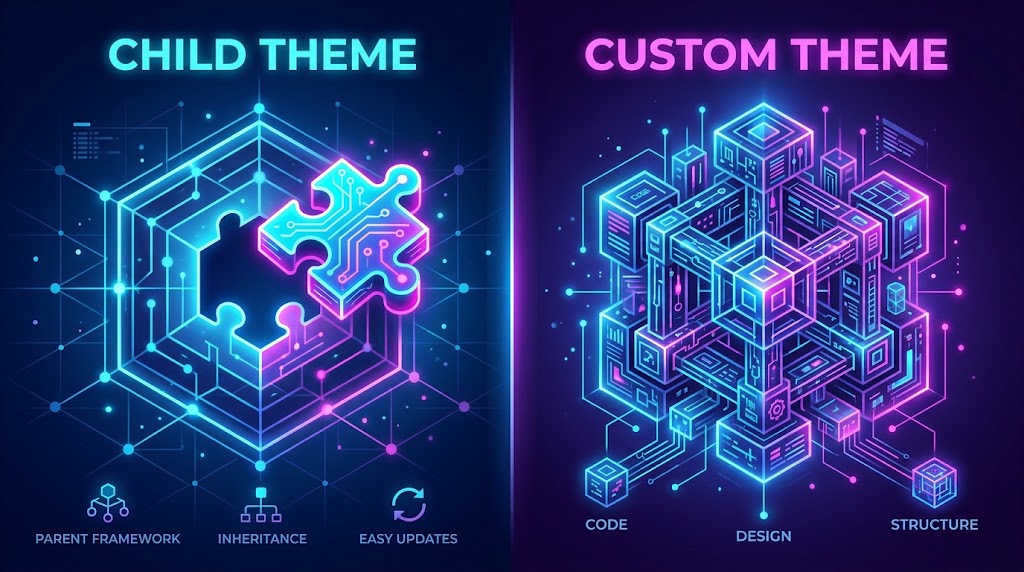
Should you build a child theme or a custom theme from scratch? This post breaks down the pros, cons, and hidden costs of each approach, with a decision matrix and scoring system to help you choose. You’ll learn when a child theme saves you time, when a custom theme is worth the investment, and how a hybrid approach can give you the best of both worlds. Includes code examples for child theme setup and a full theme structure comparison.
